
How Arrest Warrants Work in Cheatham County
Under Tennessee Rule 3, a sworn written complaint lays out the essential facts. A judge or magistrate then reviews it under Rule 4. If the facts show probable cause, the court can issue an arrest warrant or a summons instead. A warrant tells an officer to bring the person before the court. It settles nothing about the case itself. In Cheatham County, General Sessions' criminal division handles misdemeanors, felony preliminary hearings, criminal filings, and criminal-warrant issuance. Which judicial officer signs depends on the charge and the case. The county publishes no public warrant list and no name-search tool.
Cheatham County Rule 4 Arrest Warrants
The sworn complaint supplies the facts a judge reviews. If a warrant issues in Cheatham County, Rule 4 requires it to identify the person by name or an adequate description, state the county and the offense, and command an arrest and an appearance before a magistrate or court. The court record may carry dates, signatures, and other case details. Restricted information can be redacted.
- A complaint or affidavit states the allegation.
- A judge or magistrate reviews the facts.
- The signed warrant identifies the person, county, and offense and gives the command.
- A return may record how the order was served.
The Tennessee Courts Rule 4 material sets the statewide framework. Use it to understand the shape of a record. Cheatham County publishes no local warrant-number format or database field list.
Arrest Warrants: What They Contain
A warrant record can tie together the issuing court, the complaint, the alleged offense, and the service return. Some fields may be sealed or withheld. Cheatham County does not publish a public sample. What follows is a legal and clerical outline, not a local screen or any real person's record.
| Complaint or affidavit | Sworn statement that begins the warrant process. |
|---|---|
| Person description | Name or adequate description, subject to privacy limits. |
| County and offense | The place and alleged offense identified in the process. |
| Issuing authority | Judge or magistrate who reviewed and signed the order. |
| Command | Direction to arrest and bring the person before court. |
| Service return | Agency record of service or another process result. |
A charge description is not a court finding. Ask the Cheatham County clerk what can be released and whether a redacted copy is available.
No Cheatham County Arrest Warrant List
None of the county's offices expose a public arrest-warrant roster: not the Sheriff, General Sessions, Circuit, Chancery, or the four municipal sources. The Sheriff will not confirm a person's warrant status by phone. For a personal county criminal-warrant check, the FAQ says to bring valid ID to the Sheriff's Office at 264 South Main Street in Ashland City. The Sheriff's line is (615) 792-4341. Dispatch runs a 24-hour non-emergency line, not a warrant-status service. If an official needs to locate an existing record, ask which clerk holds it rather than trusting a third-party search result.
How Warrants Get Served in Cheatham County
The Sheriff's Department serves county process. The May 2025 County Commission minutes document a "Warrant Process Server" position, but no official roster assigns every warrant to one officer or agency. City police and public-safety agencies have local roles too. Partner agencies may assist with service. Federal process belongs to the U.S. Marshals and the federal court route. Service in Cheatham County can lead to booking, an initial appearance, bond conditions, and later court dates. A service return is one step in a case, and it does not settle the charge. The person still has to follow the court's next order.
Arrest Warrants, Summonses, and Bench Warrants
These terms describe different kinds of process. A summons asks a person to appear. An arrest warrant directs an officer to take a person before court. A bench warrant may follow a missed appearance or another court order in Cheatham County. The court's actual order and docket matter more than the label.
| Process | Purpose | Local next question |
|---|---|---|
| Arrest warrant | Arrest and bring the person before court after probable-cause review | Which court issued it? |
| Summons | Require an appearance without an initial arrest command | What date must be kept? |
| Bench warrant | Address a failure to appear or another court-process issue | What did the judge order next? |
Cheatham County City Arrest Warrants
A city citation or local ordinance matter may start with municipal police and stay in that city's court. Ashland City's police records page separates city citations from General Sessions traffic citations. Kingston Springs, Pegram, and Pleasant View publish their own court contacts. A city's name on the paper does not make the matter a Cheatham County criminal arrest warrant. Read the issuing agency and the court line. If the paper names General Sessions or a state-law charge, contact the county clerk. If it names a municipal court, start with that city clerk. Ask which office can confirm the process and the next appearance.
Handling an Arrest Warrant in Your Name
If you think a county warrant may carry your name, talk to a lawyer and use the Sheriff's in-person verification step. Cheatham County publishes no walk-in surrender schedule and no recall form. The issuing court can explain whether a new date, an appearance, a filing, or a bond condition applies.
Important: Do not ignore an official court notice or act on a caller’s demand. Verify through the issuing court, bring valid identification, and ask an attorney about the safest lawful next step.
Already arrested and unsure of the next court date? The Sheriff FAQ sends that question to General Sessions at (615) 792-4866. Once bond has been entered for an incarcerated person, the Sheriff can give the amount but will not recommend a bonding company. Keep the release papers and ask the clerk for the next date. The county's warrant resolution steps also explain why payment, bond, and recall are separate questions in Cheatham County.
Federal Warrants Use a Nashville Court Route
Federal warrants bypass local channels. Neither Cheatham General Sessions nor the Cheatham County Sheriff issues them. The U.S. District Court for the Middle District of Tennessee holds that authority. Its Nashville courthouse sits at 719 Church Street, and the U.S. Marshals district office works out of Suite 2500 in the same building. The court's own locations page lists the official courthouse route. Check the Middle District locations page.
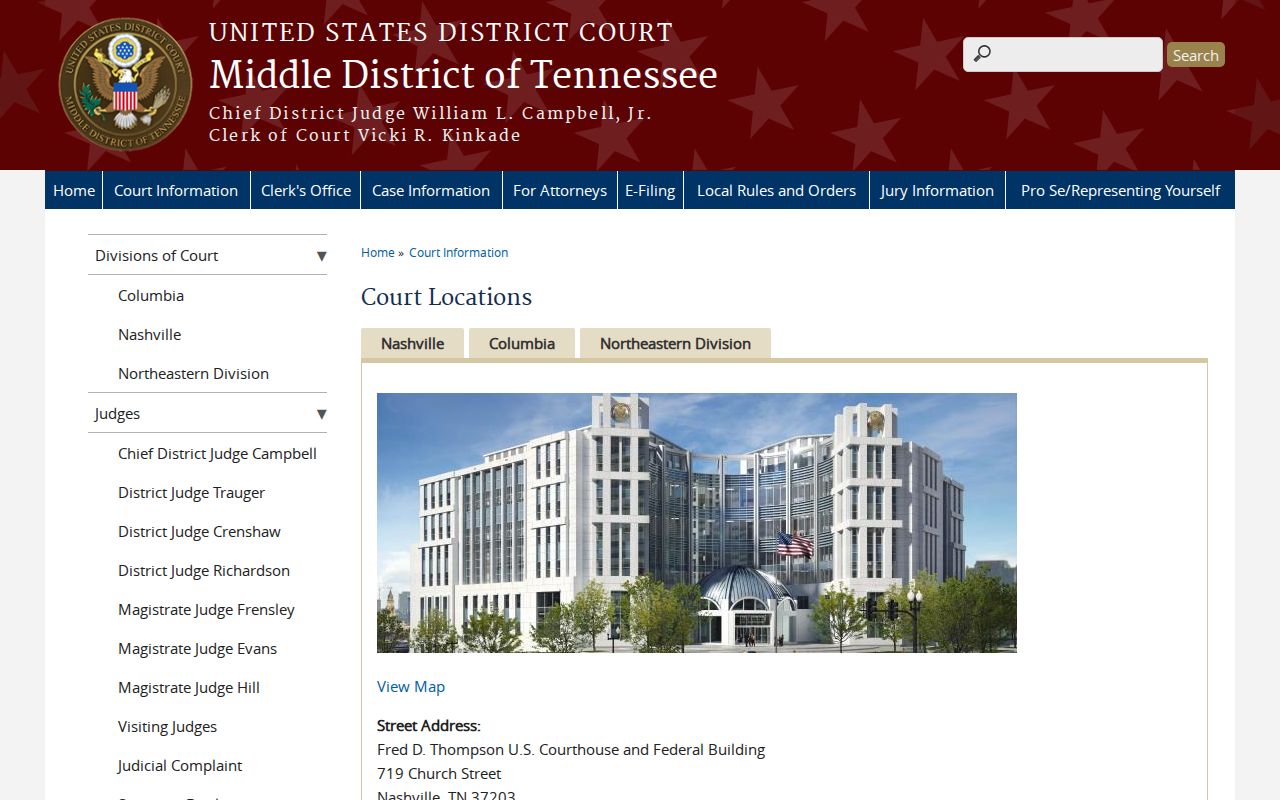
Federal dockets run through PACER or the federal clerk. Sealed warrants stay out of public view. CourtListener and RECAP add coverage but are not official warrant lists. The PACER fee page posts access charges and billing rules.
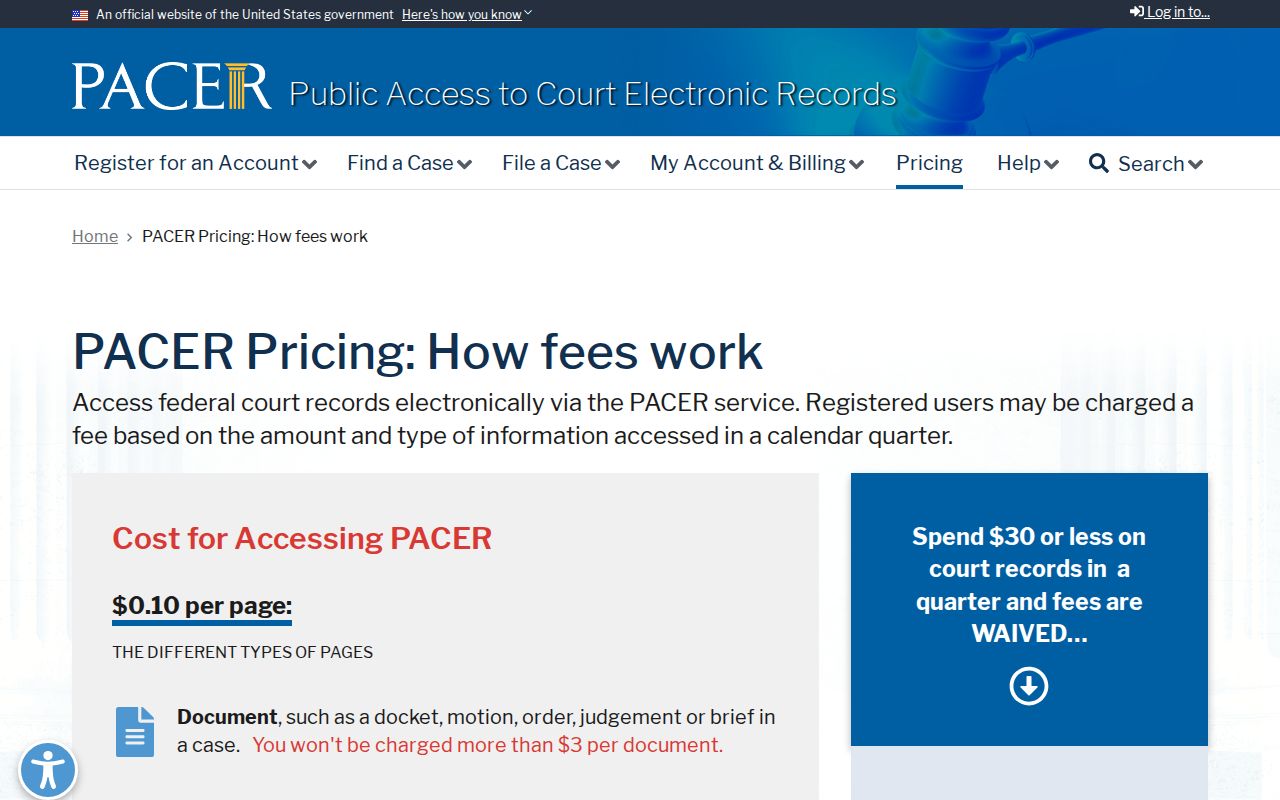
Federal channels fit only federal cases. They do not replace a warrant check with the Cheatham County Sheriff.
Cheatham County Arrest Warrant Record Limits
Cheatham County court records sit under Tennessee Supreme Court Rule 34. Most are public, with carve-outs for statutes, protective orders, and sealed files, and juvenile records carry their own confidentiality rules. A proper request may return a redacted copy or a denial with a stated reason. An open docket still keeps personal details private, and the Rule 34 page lays out the full access framework.
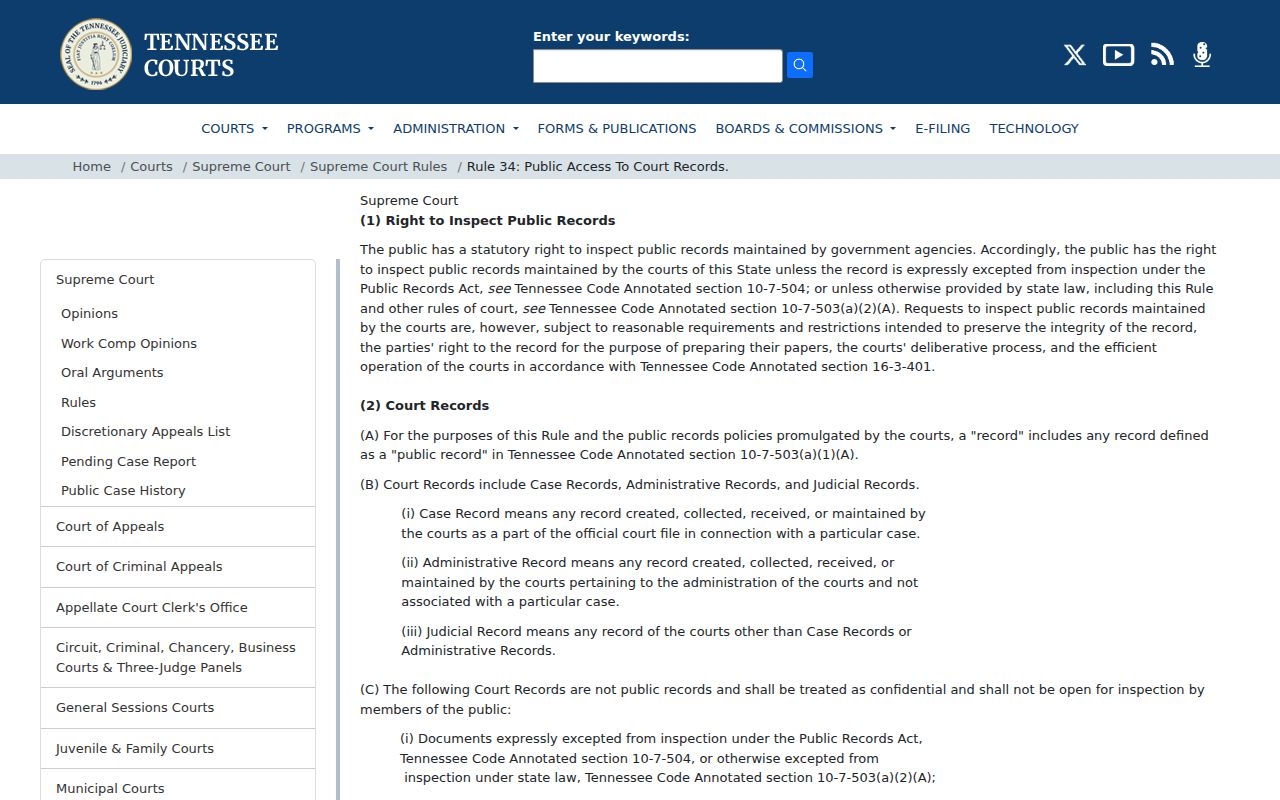
Ask the Cheatham County clerk whether a non-exempt portion can be shared. Never repost private names, birth dates, addresses, or protected case details.